1. Introduction: Understanding the Risks and Rewards
Many homeowners are tempted to tackle electrical projects themselves. After all, replacing a light fixture or adding a few outlets can seem straightforward — and DIY can save money. However, electricity is not forgiving. Mistakes can cause shocks, fires, damaged appliances, or costly repairs.
In New Jersey, older homes often have outdated wiring, panels that struggle to handle modern electrical loads, or local code requirements that must be met. Even small errors can have serious consequences. Understanding which electrical tasks are safe to do yourself and which require a licensed professional is essential to protect your home, your family, and your wallet.
This guide breaks down common DIY-friendly tasks, high-risk projects that require a professional, and practical tips for staying safe while working with electricity.
2. Basic Electrical Work Homeowners Can Usually Handle
Not every electrical task requires a professional. There are simple, low-risk jobs that most homeowners can complete safely with basic knowledge and precautions:
Replacing Light Bulbs or Simple Fixtures
Swapping out a burned-out bulb or changing a light fixture that plugs into an existing socket is generally safe. Always turn off the light switch before starting.
Installing Plug-In Devices
Adding lamps, smart plugs, or other plug-in appliances doesn’t involve touching live wiring and is safe for DIY.
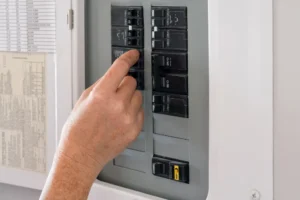
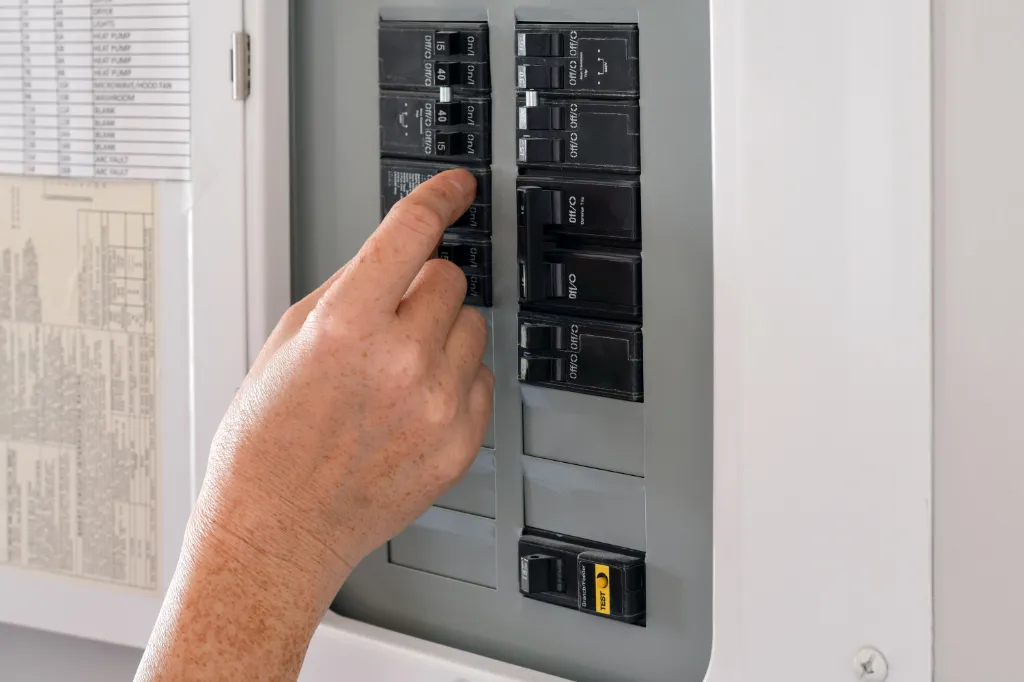
Resetting Tripped Breakers or GFCI Outlets
Occasionally, a breaker will trip or a GFCI outlet will need resetting. These tasks are low-risk and easy to perform if you follow instructions carefully.
Replacing Outlet Covers or Switch Plates
Updating outlet or switch covers is purely cosmetic and doesn’t involve working with live wires if done carefully.
Safety Tips for DIY Work
- Always turn off power at the breaker for any work beyond plug-in devices.
- Use insulated tools and proper safety equipment.
- Never attempt repairs if you feel unsure — it’s better to call a professional.
These simple tasks can help improve your home safely, but anything beyond these should be approached with caution.
3. Electrical Work That Requires Professional Expertise
While some small tasks can be done safely at home, many electrical projects are too risky for DIYers. Attempting these without proper training can lead to shocks, fires, or code violations. Here’s what should always be handled by a licensed professional:
Panel Upgrades or Breaker Replacements
Updating an electrical panel or replacing breakers involves working with high-voltage electricity. Mistakes can be dangerous and may violate New Jersey electrical codes.
Rewiring or Installing New Circuits
Adding circuits or rewiring parts of your home requires understanding load calculations, wire sizing, and local code compliance — all of which are essential to avoid hazards.
Installing High-Power Appliances
Appliances like EV chargers, HVAC systems, ovens, and hot tubs draw significant electricity. Incorrect installation can damage equipment, trip breakers repeatedly, or even start a fire.
Handling Live Wires or Complex Troubleshooting
Faulty outlets, frequent breaker trips, or unusual sparks require knowledge of electrical systems and testing equipment. DIY attempts can easily lead to shocks or worsen the problem.
Projects Requiring Permits in NJ
Many towns in New Jersey require permits and inspections for upgrades or rewiring. Licensed electricians know how to meet these requirements, keeping your home compliant and safe.
4. Common DIY Mistakes and Their Consequences
Even well-intentioned DIY attempts can go wrong. Here are some common mistakes homeowners make when working on electrical projects:
Overloading Circuits
Plugging too many devices into one circuit or installing additional outlets without proper planning can cause breaker trips, overheating, or even fires.
Using Improper Tools or Materials
Cheap or incorrect tools, wire connectors, or breakers can compromise safety and lead to shorts or equipment damage.
Failing to Follow Local NJ Codes
Every municipality has specific electrical codes. Ignoring them can result in fines, failed inspections, or insurance issues if a problem arises.
Risk of Fire, Shock, or Damaging Appliances
Mistakes in wiring or connections can cause fires, electric shocks, or damage to expensive appliances. Even minor errors can escalate quickly into serious hazards.
These mistakes highlight why understanding your limits is crucial. When a project goes beyond basic tasks, hiring a licensed professional is the safest choice.
5. How to Decide Between DIY and Hiring a Professional
Knowing when to tackle a project yourself and when to call a licensed electrician is key to keeping your home safe and code-compliant. Here’s how to make the decision:
Assess Your Skill Level and Experience
If you have minimal experience with electrical work, stick to simple tasks like replacing bulbs, outlets, or switch plates. Anything involving live wires or circuits should be left to a professional.
Evaluate Project Complexity
Ask yourself: Does this project involve high voltage, multiple circuits, or rewiring? If yes, it’s too risky for DIY. Complex installations like EV chargers, HVAC systems, or panel upgrades require expertise.
Check Local NJ Code and Permit Requirements
New Jersey municipalities often require permits and inspections for anything beyond minor repairs. If a permit is needed, hiring a licensed electrician ensures the work meets code and passes inspection.
When in Doubt, Prioritize Safety
If you’re unsure about any aspect of the job, calling a professional is always safer than guessing. Mistakes can be costly, dangerous, and time-consuming to fix.
By weighing these factors, you can confidently determine which projects are safe to DIY and which need professional attention.
6. Tips for Working Safely if You DIY
For the low-risk tasks that homeowners can handle themselves, safety is still the top priority. Follow these guidelines to minimize risk:
Turn Off Power at the Breaker
Never rely solely on the wall switch. Always cut power at the breaker to prevent shocks.
Use the Right Tools and Safety Gear
Insulated screwdrivers, voltage testers, and gloves help protect you while working on electrical components.
Avoid Working on Wet Surfaces or in Damp Areas
Water and electricity are a dangerous combination. Make sure the area is dry and well-lit before starting any project.
Know Your Limits
Even with safety precautions, don’t attempt complex repairs or installations. If something seems beyond your skill, stop and call a licensed electrician.
Double-Check Your Work
Before restoring power, ensure all wires are properly connected, outlets are secure, and covers are in place. Mistakes at this stage can cause shocks or damage appliances.
By following these tips, you can safely handle minor electrical tasks while keeping yourself and your home protected.
7. Benefits of Hiring a Licensed Electrician in New Jersey
While DIY projects can save money on minor tasks, hiring a licensed electrician offers safety, efficiency, and peace of mind. Here’s why professional help is worth it:
Ensures Code Compliance and Permits
Licensed electricians in New Jersey know local building codes and handle all necessary permits and inspections. This keeps your home compliant, avoiding fines or insurance issues.
Reduces Fire and Shock Risks
Electricians are trained to safely work with live circuits, properly wire outlets, and prevent overloads, reducing the risk of shocks, fires, or appliance damage.
Protects Your Home Value
Quality, professional electrical work ensures that your home is safe and appealing to future buyers. DIY mistakes or code violations can hurt resale value.
Efficient, High-Quality Work
Professional electricians have the experience, tools, and materials to complete jobs correctly the first time, saving time and potential costs from errors.
Peace of Mind
Knowing that your electrical system is installed or repaired correctly allows you to focus on enjoying your home rather than worrying about hazards.
Hiring a licensed NJ electrician is an investment in safety, quality, and long-term reliability — something DIY alone can’t guarantee.
8. Conclusion: Safety First, Always
Electricity is powerful and unforgiving. While simple tasks like changing bulbs or resetting outlets can be done safely at home, anything involving live wires, new circuits, or high-power appliances should always be handled by a licensed professional.
By understanding the difference between DIY-friendly work and projects that require expert help, homeowners in New Jersey can protect their families, homes, and investments.