1. Introduction: Why Your Electrical Panel Matters
Your electrical panel is essentially the heart of your home’s electrical system. It distributes power from the utility company to every outlet, light, and appliance in your house. While most homeowners don’t think about their panel, an outdated or overloaded panel can lead to serious problems — from frequent breaker trips to electrical fires.
With today’s modern homes running multiple high-demand devices — think air conditioners, electric vehicle chargers, smart appliances, and entertainment systems — older panels often struggle to keep up. Upgrading your electrical panel isn’t just about convenience; it’s about safety, reliability, and protecting your home. Knowing the signs of an outdated panel can help you avoid emergencies and costly repairs down the line.
2. How Old Is “Too Old” for an Electrical Panel?
Not all panels fail on a set schedule, but age is a good indicator of potential problems. Most electrical panels are designed to last 25–40 years, depending on usage, maintenance, and environmental factors. If your home was built before the 1980s, there’s a good chance your panel may not meet today’s electrical demands.
It’s important to remember that even a panel that’s technically “working” can be unsafe or inadequate. Homes built decades ago didn’t anticipate the number of devices we use today. An older panel might lack enough circuits, use outdated materials, or have safety issues that modern panels are designed to prevent.
In short, age matters, but so does capacity, condition, and compatibility with modern electrical loads. Even a panel that’s only 20 years old could be due for an upgrade if your power needs have increased significantly.
3. Common Signs Your Electrical Panel Is Outdated
Recognizing the warning signs of an outdated electrical panel can save your home from serious problems down the road. Here are the most common indicators that your panel may need an upgrade:
Frequent Breaker Trips
If your breakers trip often, it’s a sign your panel is struggling to handle your electrical load. Overloaded circuits can lead to overheating and create a safety hazard. Frequent trips are your panel’s way of telling you it’s time to reassess your electrical system.
Flickering or Dimming Lights
Notice your lights flickering when you turn on appliances or when multiple devices are running? This can indicate voltage fluctuations caused by an undersized or aging panel. It’s not just annoying — it’s a warning that your panel may not be able to support your household’s power demands safely.
Use of Fuses Instead of Circuit Breakers
Homes with fuse boxes instead of modern breakers are considered outdated. Fuses are harder to replace, less reliable, and offer less protection against electrical surges. If you still have a fuse box, it’s a strong signal that your panel should be upgraded for safety and convenience.
Burning Smells or Warm Panel
Any unusual odors, scorching smells, or a panel that feels warm to the touch are serious red flags. These are often signs of overheating wires or electrical faults that could quickly become dangerous. Stop using circuits in this condition and call a professional immediately.
Rust, Corrosion, or Visible Damage
Panels exposed to moisture or that show visible rust and corrosion are at higher risk of failure. Corroded connections can cause electrical shorts or increase the risk of fire, making it crucial to have a professional evaluate your system.
Limited Power Capacity
If your panel has no room for additional circuits, it’s likely outdated. This limitation becomes obvious when adding new appliances, installing an EV charger, or completing home renovations that require extra circuits. An upgraded panel ensures your home can handle modern power demands safely.
4. Types of Panels That Should Be Replaced
Some electrical panels are considered unsafe or obsolete, and upgrading them is strongly recommended. These include:
Federal Pacific (FPE) Panels
These panels are notorious for failing to trip during an overload, which creates a serious fire risk.
Zinsco Panels
Zinsco panels are prone to overheating and poor connections, increasing the chance of electrical fires.
Other Obsolete or Recalled Panels
Certain panels manufactured decades ago have design flaws or recall notices due to safety hazards. If your panel falls into this category, replacement isn’t optional — it’s necessary for your safety.
Replacing an unsafe or outdated panel not only improves your home’s electrical safety but also ensures it meets current building codes, giving you peace of mind and protecting your investment.
5. Risks of Keeping an Outdated Electrical Panel
Keeping an outdated or faulty electrical panel in your home isn’t just inconvenient — it can be dangerous. Ignoring warning signs increases the risk of serious problems, including:
Fire Hazards
Old panels, corroded connections, or undersized breakers can overheat and spark fires. Electrical failures are one of the leading causes of house fires, making this a risk you don’t want to take lightly.
Electrical Shock Risks
Faulty or aging panels increase the likelihood of electric shocks when using outlets, switches, or appliances. Even small shocks can indicate a bigger problem lurking in your wiring.
Damage to Appliances
Outdated panels can deliver unstable voltage, which can damage sensitive electronics, appliances, and HVAC systems. Replacing a panel before a failure can save you from costly repairs or replacements.
Insurance and Code Compliance Issues
Many insurance providers require homes to have up-to-code electrical systems. An outdated panel can create insurance headaches or even void coverage in the event of a claim.
Ignoring these risks may seem harmless at first, but small electrical problems often grow into serious hazards. Being proactive keeps your home safe and your family protected.
6. Benefits of Upgrading Your Electrical Panel
Upgrading your electrical panel isn’t just about avoiding risks — it offers several long-term benefits for your home and lifestyle:
Improved Safety
A modern panel reduces the risk of fires, shocks, and electrical failures, giving you peace of mind.
Better Electrical Performance
You’ll experience fewer flickering lights, tripping breakers, and voltage fluctuations, even when running multiple devices at once.
Support for Modern Appliances and Upgrades
From smart appliances to EV chargers or home renovations, a new panel provides the power capacity you need for today’s technology.
Increased Home Value
An upgraded electrical system is a strong selling point and shows potential buyers that your home is safe and modern.
Peace of Mind
Knowing your panel can handle your home’s electrical load safely lets you focus on enjoying your home rather than worrying about hidden hazards.
7. What Happens During an Electrical Panel Upgrade
Upgrading an electrical panel might sound complicated, but a licensed electrician makes the process straightforward and safe. Here’s what you can expect:
Inspection and Load Calculation
The electrician will start by inspecting your current panel and evaluating your home’s electrical needs. This includes checking the existing circuits, breaker capacity, and future power demands for appliances or renovations.
Permits and Code Compliance
Electrical panel upgrades require permits to ensure the work meets local building codes. A licensed electrician handles this process so the installation is safe and legal.
Installation Process
During installation, the old panel is safely disconnected, removed, and replaced with a new, modern panel. Circuits are carefully reconnected, and breakers are tested to ensure everything works correctly.
Minimal Disruption
Most panel upgrades can be completed in a single day. While power may be temporarily turned off during installation, professional electricians work efficiently to minimize inconvenience.
By the end of the upgrade, your home will have a reliable, code-compliant electrical panel capable of handling modern power needs safely.
8. Conclusion: When in Doubt, Have Your Panel Inspected
Your electrical panel is the heart of your home’s power system. An outdated or overloaded panel can lead to frequent breaker trips, appliance damage, fire hazards, and costly repairs. Paying attention to the signs — from flickering lights to warm or corroded panels — can help you avoid dangerous situations.
If your panel shows any warning signs or you simply aren’t sure about its age or capacity, scheduling a professional inspection is the safest move. A licensed electrician can assess your system, recommend upgrades if needed, and ensure your home’s electrical system is safe, reliable, and ready for modern demands.
9. Ready to Upgrade Your Electrical Panel?
Your home’s safety and electrical reliability shouldn’t be left to chance. If you notice any signs of an outdated panel — frequent breaker trips, flickering lights, rust or corrosion, or a panel that simply can’t keep up with your modern electrical needs — it’s time to act.
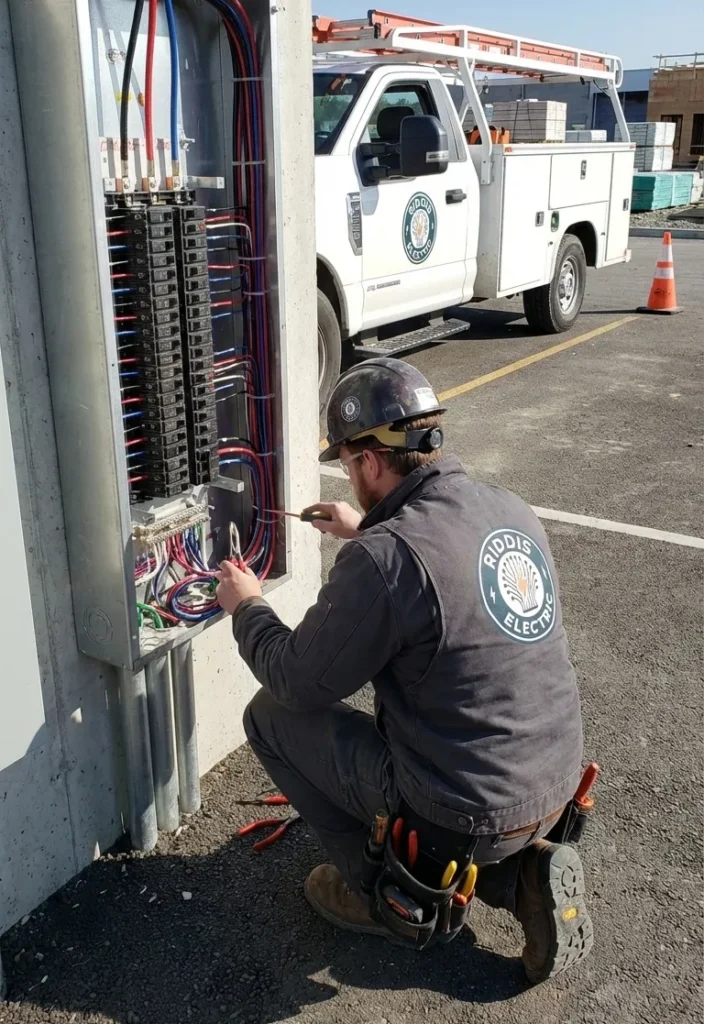
At Riddis Electric, we provide professional electrical panel inspections and upgrades for homeowners who want peace of mind and a safer, more efficient home. Our licensed electricians handle every step of the process, from evaluating your current system to installing a modern, code-compliant panel that meets your family’s power needs today and in the future.
Don’t wait until a small problem becomes a costly emergency. Schedule your inspection or panel upgrade today and keep your home safe, reliable, and ready for the demands of modern living.
Contact Riddis Electric now — your home deserves a panel that can keep up.