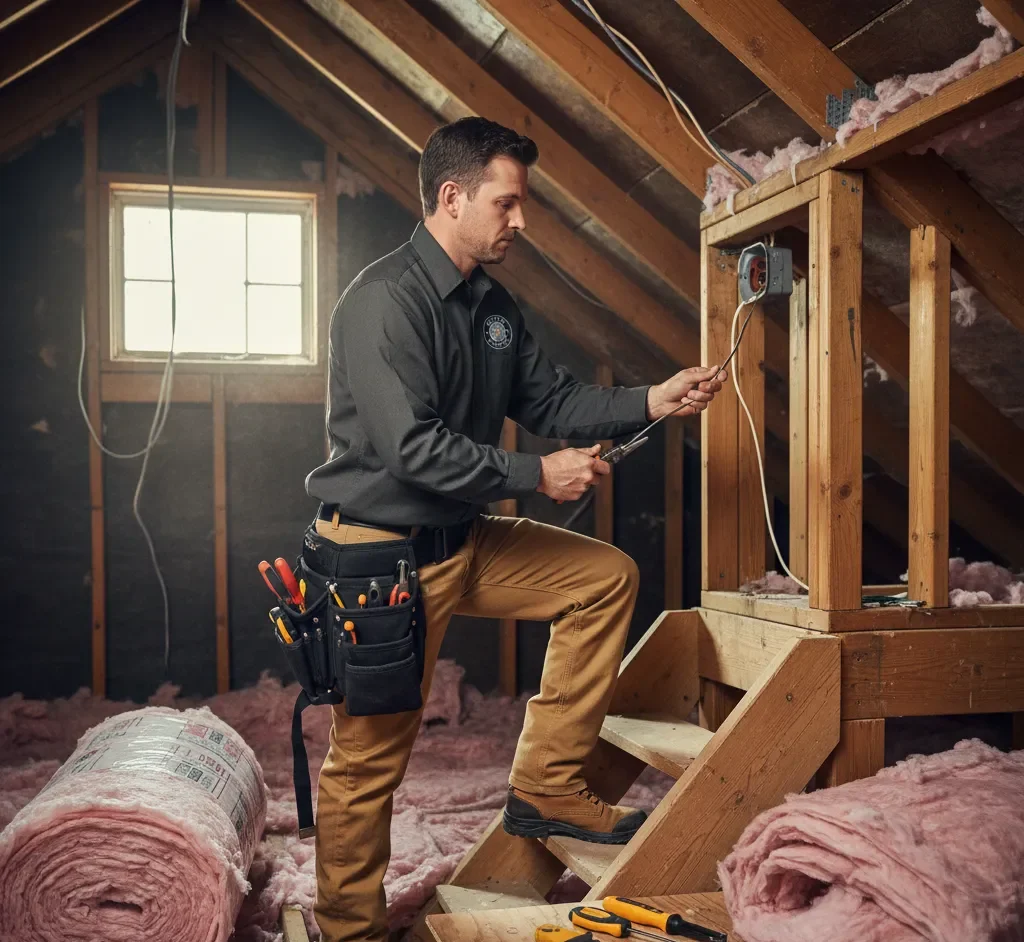
Electrical issues in your home are often subtle at first — a flickering light, a breaker that trips occasionally, or an outlet that feels warm. Homeowners tend to ignore these signs, thinking they’re minor annoyances. But even small electrical problems can escalate into serious safety hazards if left unaddressed.
For homeowners in New Jersey, where many homes were built decades ago, recognizing warning signs and acting quickly can prevent fires, shocks, damage to appliances, and costly repairs.
This guide explains the top 7 electrical problems homeowners often ignore, why they’re dangerous, and how to address them safely with the help of a licensed NJ electrician.
1. Frequent Circuit Breaker Trips
Circuit breakers are designed to protect your home by shutting off power when a circuit becomes overloaded. If your breakers trip occasionally, it might be normal. But frequent trips — multiple times a month or even weekly — are a serious warning.
Common Causes:
- Overloaded circuits from too many devices or appliances
- Faulty or aging wiring that can’t handle modern electrical loads
- Malfunctioning breakers or improper panel upgrades
Risks of Ignoring:
- Overheating wires can start fires
- Appliances may receive inconsistent power, causing damage
- Potential for electrical shock when resetting breakers
NJ Context:
Older New Jersey homes may still have 60-amp panels, which aren’t designed for today’s high-demand appliances like EV chargers, air conditioners, or multiple home electronics. This makes breaker trips more likely and dangerous.
What to Do:
Schedule a licensed electrician to inspect your system. They can determine whether the issue is a simple overload, a faulty breaker, or if your home needs a panel upgrade or partial rewiring.
2. Flickering or Dimming Lights
Lights that flicker or dim when you use appliances may seem harmless, but they’re often a sign of underlying wiring problems.
Common Causes:
- Loose or faulty connections in outlets, switches, or the circuit panel
- Overloaded circuits struggling to handle modern electrical demand
- Old wiring that has degraded insulation or loose connections
Why It’s Dangerous:
Flickering lights can indicate sparks forming inside walls, which is a fire risk. Over time, repeated arcing can damage wiring and increase the likelihood of electrical fires.
Example:
In older New Jersey homes with aluminum wiring, plugging in high-demand appliances like a dryer or microwave may cause lights to flicker throughout the house. This is a classic sign that wiring cannot safely handle the load.
Action:
If flickering occurs regularly, call a licensed NJ electrician for a full inspection. They can test circuits, identify overloaded areas, and upgrade wiring if necessary.
3. Hot or Discolored Outlets and Switches
An outlet or switch that feels warm to the touch, shows discoloration, or smells like burning is a major warning sign.
Common Causes:
- Loose or faulty wiring connections
- Overloaded outlets or circuits
- Defective outlets or switches
Risks:
- Sparks or electrical fires
- Damage to appliances plugged into affected outlets
- Electric shocks when using outlets
NJ Context:
Homes in New Jersey built before 1970 often have outlets without proper grounding, increasing fire risk. Modern codes require grounded outlets, and updating them can significantly improve safety.
What to Do:
Turn off the affected circuit immediately and contact a licensed electrician. Professionals can replace outlets safely, secure wiring connections, and ensure compliance with NJ electrical codes.
4. Buzzing or Crackling Sounds
Electrical systems should operate quietly. If you hear buzzing, humming, or crackling from outlets, switches, or your breaker panel, it’s a warning sign that something is wrong.
Common Causes:
- Loose wiring connections causing arcing
- Overloaded circuits struggling to deliver consistent power
- Faulty breakers or deteriorating wiring
Why It’s Dangerous:
Buzzing or crackling sounds indicate arcing, which can ignite nearby flammable materials inside walls. This can quickly lead to fires if left unchecked.
Real-Life NJ Example:
A homeowner in Newark noticed a faint buzzing from their basement outlet. Ignoring it for months led to a small fire in the wall cavity. Fortunately, early detection could have prevented major damage.
Action:
Shut off power to the area and call a licensed electrician immediately. Do not attempt to fix buzzing outlets yourself — arcing is extremely dangerous.
5. Frequent Use of Extension Cords
Relying heavily on extension cords or power strips can be a warning that your home’s wiring isn’t sufficient for your needs.
Why It’s a Problem:
- Overloaded cords can overheat and start fires
- Temporary cords used as permanent solutions can strain circuits
- Extension cords don’t offer proper grounding or surge protection for high-power appliances
Better Solution:
Hire a licensed NJ electrician to install additional outlets or dedicated circuits. This ensures your home can safely handle modern devices, like computers, kitchen appliances, and home entertainment systems.
Tip for Homeowners:
If you can’t plug in all appliances without an extension cord, it’s a sign your home’s wiring may need upgrades.
6. Outdated Wiring
Many older homes in New Jersey still have wiring that doesn’t meet modern safety standards. Common types include knob-and-tube, aluminum, or cloth-insulated wiring.
Why It’s Dangerous:
- Aluminum wiring can oxidize, leading to overheating and fires
- Knob-and-tube wiring lacks grounding, making it unsafe for modern appliances
- Old wiring may fail home inspections or affect insurance coverage
Warning Signs:
- Breakers trip frequently
- Sparks or arcing from outlets
- Flickering or dimming lights when high-demand appliances run
Action:
A licensed NJ electrician can evaluate the condition of your wiring and recommend rewiring or partial upgrades to ensure safety.
7. Sparks When Plugging In Appliances
Sparks when plugging in appliances are more than a minor nuisance — they indicate loose connections, damaged outlets, or faulty wiring.
Common Causes:
- Worn or loose wires inside outlets
- Faulty circuit breakers or connections
- High-demand appliances causing arcing
Risks:
- Electrical shocks
- Fire hazards
- Damage to plugged-in appliances
What to Do:
Stop using the outlet immediately. Call a licensed NJ electrician to inspect, repair, or replace the outlet safely.
Pro Tip:
Even a single spark can be a warning of a much larger hidden electrical problem. Don’t ignore it.
Conclusion: Don’t Ignore Electrical Warning Signs
Many homeowners underestimate the danger of small electrical issues. Problems like flickering lights, warm outlets, buzzing sounds, and frequent breaker trips may seem minor, but they are often precursors to serious hazards.
For New Jersey homeowners, early detection and professional intervention are essential. A licensed electrician can inspect your home, identify risks, and provide safe, code-compliant solutions.
Protect your home and family before it’s too late. Contact Riddis Electric today for a professional electrical inspection, repairs, or upgrades. Our licensed NJ electricians handle everything from minor outlet issues to full rewiring, ensuring your home is safe, efficient, and reliable.